

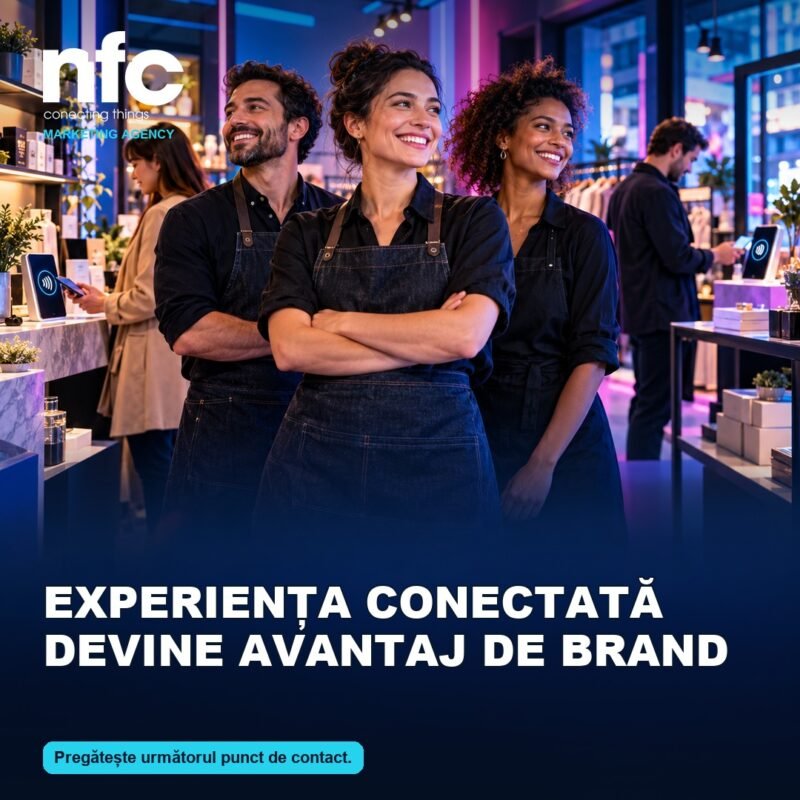
A connected experience starts with a simple question. What would help the customer right here in the shop? At the shelf, they may want to compare products. At the till, they may want a quick way to leave feedback. An NFC touchpoint or QR code can open that information while it is still useful.
Give each touchpoint one purpose
Tell customers what they will get when they interact. «See how to use this product» gives them a clear reason to act. At a restaurant table, the same principle applies to opening the menu or asking for help. Design the page for a phone and make the main action easy to find.
Give staff a clear role
Show staff what the customer sees and who handles the next step. If a tabletop display sends a request, the team should know who receives it and how to acknowledge it. When an offer changes, update the page the NFC touchpoint opens so the message matches what staff can offer.
Test what works in one location
Start with one touchpoint. Track how many times it is opened and how often people take the intended action. Ask staff where customers get stuck, change one element and compare the results. The advantage comes from an experience customers can use immediately and staff can improve over time.
